.png)
Sign Up for Email Updates
Get an update when something new comes out by signing up below!
Thank you! Your submission has been received!
Oops! Something went wrong while submitting the form.
How AI labs should format research and product pages differently for search crawlers versus retrieval-based AI systems that read them.
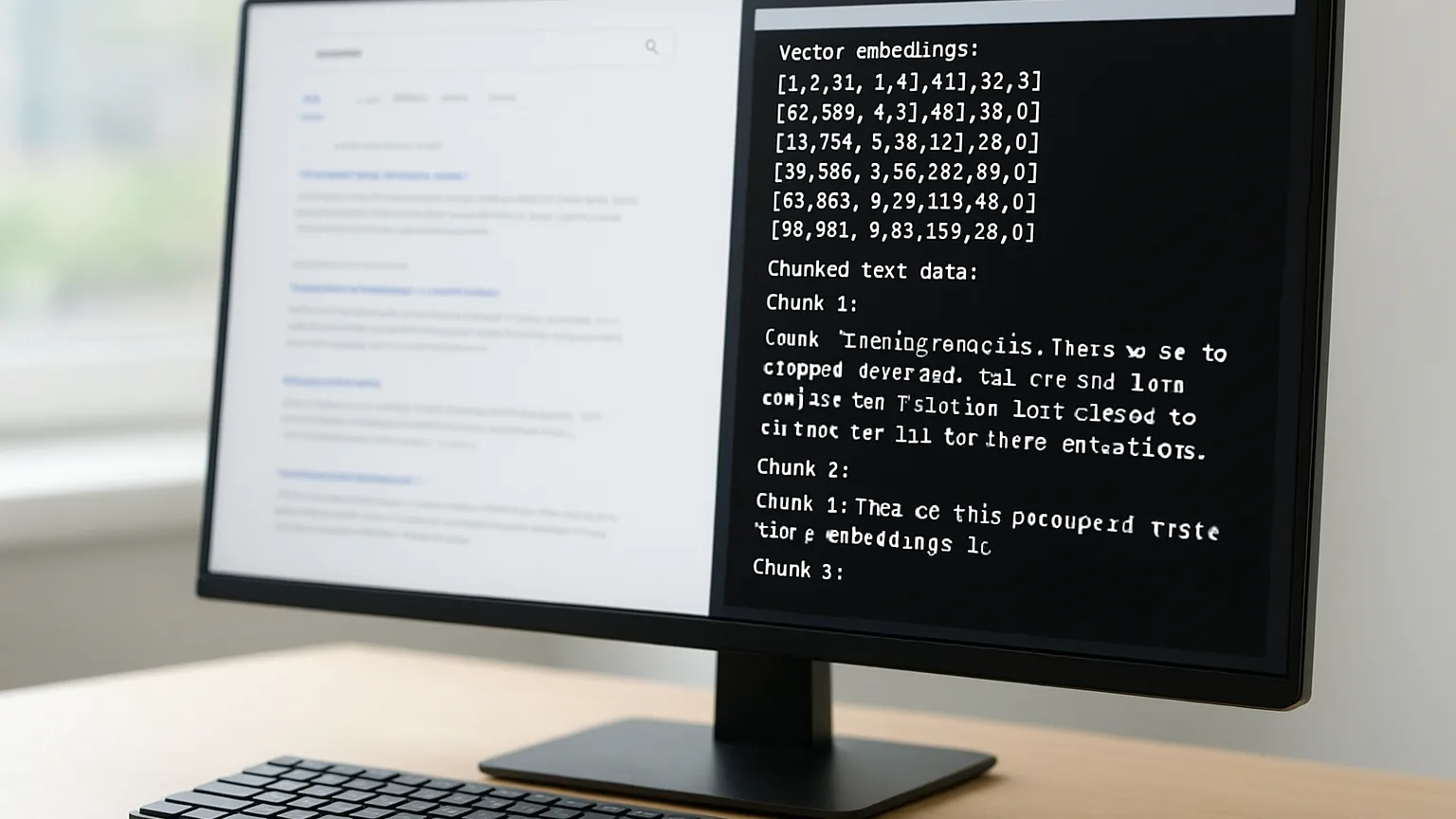
Search engines built their reputation on crawling and indexing. A bot visits your page, reads the words, and ranks the page based on relevance and authority. Retrieval systems built for generative AI work in a different way. They pull small chunks of text from your content and hand those chunks to a language model, which then writes a fresh answer for the reader. The person asking the question never sees your page. They only see what the model chose to keep.
This difference is not a small technical detail. It changes what counts as strong content. A page written for classic search wants smart keyword placement, clean headline structure, and links from other trusted sites. A page written for retrieval pipelines wants something else entirely. It wants clear, standalone facts. It wants tight paragraphs that still make sense when pulled out of context. It wants language that survives being cut into pieces.
For AI research labs, this split matters more than most fields realize. Papers and product pages get read by human visitors searching Google, and they also get read by machine pipelines that summarize the work for someone else entirely. If your research updates fade the same way the number every founder watches lost its meaning as a growth signal, you may be optimizing for visibility that no longer reflects how people actually find your work.

Retrieval-augmented generation systems do not read your page the way a human does. They break it into chunks, often just a few sentences long, and turn each chunk into a vector that represents its meaning. When someone asks a question, the system searches for chunks that match that meaning and feeds them to a model. The model then writes the final answer using whatever chunks it retrieved, and businesses that ignore this shift can end up invisible the way many orlando startups discovered when chatbots quietly skipped them.
This means your content needs to work at the paragraph level, not just the page level. A brilliant introduction followed by a vague middle section will not help if the middle section gets pulled out and read alone. Every paragraph needs to carry enough context to stand on its own.
A few practices make research and product pages far more useful to these systems:
Freshness matters here too. Pages that sit untouched for years often see their retrieval accuracy quietly slip, in much the same way that content decay erodes rankings in traditional search, a pattern well documented in small business seo circles. A model trained on outdated chunks will confidently repeat outdated claims, and there is no algorithm update that fixes that for you. Regular review of research summaries and product descriptions keeps the source material accurate for whichever system happens to be reading it.
Questions about how this applies to your listening setup?
Ask an EngineerEvery Resonessence DAC starts on our own bench, where our engineers tune digital filters, clocking and output stages until playback sounds like the room it was recorded in. Tell us about your system and we will point you to the right converter.
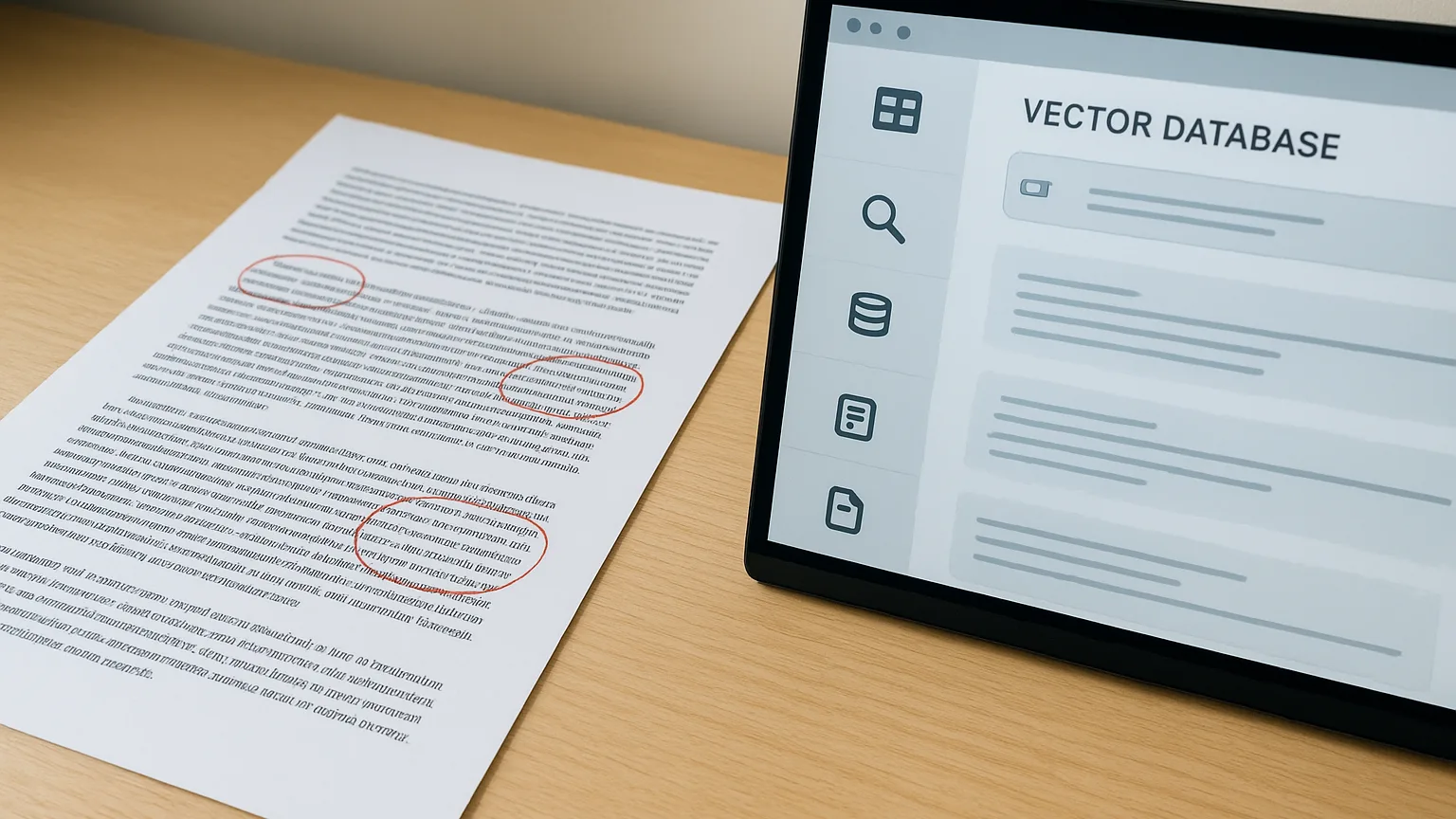
Labs publishing research and product content now face two audiences reading through two very different lenses. A paper abstract written purely for search rankings might use broad language meant to capture search volume. That same abstract, read by a retrieval system, needs to state the method, the result, and the limitation in plain terms that a chunk-based reader can extract cleanly.
The practical answer is not to choose one audience over the other. It is to structure content so both systems get what they need from the same page.
Metadata deserves more attention than most labs give it. Titles, summaries, and even file names for papers and datasets are often the first thing a retrieval system encounters, long before it reaches the body text, a vulnerability similar to the zero-click content problem that left certain technical documentation invisible to AI systems entirely.
The gap between training data and search data is not a passing trend. It reflects a real shift in how information moves from a page to a person, whether that person types a query into a search bar or asks a model a question in plain language. Labs that keep publishing as if only one type of reader exists will find their work harder to surface, even when the underlying research is excellent.
Monitoring matters as much as publishing, because a page can hold its position for months and then slip with no obvious cause. The same Google Search Console numbers that show when pages lose impressions also hint at which explanations are no longer being pulled into answers, so a slow fade is easier to catch before it compounds.
The fix does not require abandoning good writing habits built for search. It requires adding a second layer of discipline, one built around clarity, self-contained paragraphs, and accurate, current information that holds up whether a human or a machine is doing the reading. Labs that treat both audiences as equally important now will spend far less time chasing visibility later.
Want more updates like this from our lab?
Browse the NewsroomProduct news, firmware notes and research from the people who design our converters.